


About
Our Mission
Positively Linked exists to build healthier communities through connection, prevention, and resilience by strengthening the relationships that help people thrive. We empower youth, strengthen families, and equip communities with the knowledge, skills, and supportive relationships that foster belonging, emotional well-being, lifelong wellness, leadership, and purpose. We believe every positive relationship is a protective factor, and that investing in prevention before a crisis creates stronger families, healthier communities, and brighter futures for generations to come.
Our Values
Our work is guided by love, compassion, kindness, gratitude, creativity, courage, and connection. We believe in meeting people where they are, honoring their stories, and walking alongside them as they discover their own capacity for healing and wellness.
Our Vision
A community where every child has a trusted adult, every family feels supported, and every person experiences connection, resilience, belonging, and the opportunity to thrive.

Meet the Team
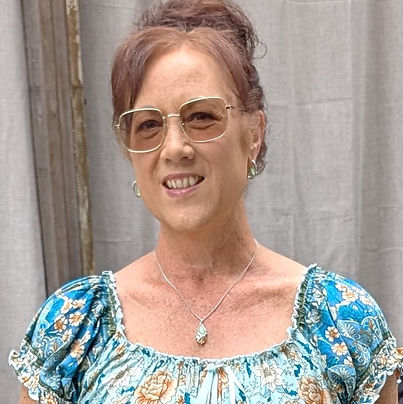
Founder
Constance Mollerstuen
Constance is the founder of Positively Linked, a nonprofit dedicated to providing trauma-informed wellness programs for youth and families. With a background in psychology and over a decade of experience in community service, she is passionate about empowering individuals to heal and thrive. Constance combines her expertise as a facilitator with her personal insights as a parent to create supportive environments that foster resilience and connection. Under her leadership, Positively Linked has positively impacted countless lives, promoting mental wellness and community strength.

Marketing and Web Design
Kristin Connolly
Kristin is a creative marketing and web designer dedicated to enhancing brand presence through innovative digital experiences. She specializes in integrating effective marketing strategies with visually appealing design, collaborating with teams to deliver engaging campaigns. With a background in Naturopathic Medicine, she utilizes her knowledge of holistic medicine to promote the mission of Positively Linked.
The 8 Pillars of Wellness: Our Foundation
Every program at Positively Linked is built on the framework of the 8 Pillars of Wellness. This trauma-informed, holistic approach recognizes that true wellness cannot exist in just one area of life—when we're struggling financially, it affects our emotional health; when we're socially isolated, it impacts our physical wellbeing; when our nervous systems are chronically dysregulated, every pillar suffers.
The 8 Pillars work together as an interconnected system. By addressing all dimensions of wellness, we help families build resilience that lasts through life's inevitable challenges.
-
Physical Wellness - Nourishing your body through movement that feels good, nutrition that supports nervous system health, restorative sleep, and self-care practices. Physical wellness includes understanding the body-based nature of trauma and using somatic tools for regulation.
-
Emotional Wellness - Understanding how your nervous system works, recognizing when you're dysregulated, developing healthy ways to process and express feelings, building emotional resilience, and learning regulation tools that create safety in your body. This pillar is foundational to trauma-informed healing.
-
Intellectual Wellness - Engaging curiosity, learning new skills, understanding how trauma affects learning and memory, and expanding your knowledge about yourself and the world. This pillar honors that education is healing when delivered in trauma-informed ways.
-
Social Wellness - Creating meaningful connections, building healthy relationships, developing a sense of belonging in community, and healing relationship trauma. Social wellness recognizes that we are wired for connection and that isolation can be traumatic in itself.
-
Spiritual Wellness - Connecting with your values, discovering your purpose, finding meaning in your experiences (including trauma), and exploring what transcends daily life. Spiritual wellness can be a powerful source of resilience and post-traumatic growth.
-
Environmental Wellness - Creating safe, regulating spaces in your home and community, healing your relationship with the natural world, understanding how your physical environment affects your nervous system, and accessing spaces where your body can feel safe.
-
Financial Wellness - Building security, understanding money management, reducing financial stress and trauma, accessing resources, and breaking cycles of financial instability. Financial insecurity is a chronic stressor that keeps the nervous system in survival mode.
-
Occupational Wellness - Finding fulfillment in your work or daily contributions, identifying your strengths and purpose, creating healthy boundaries in helping roles, and preventing burnout. This pillar is especially important for caregivers and helping professionals.
A Trauma-Informed Approach to All 8 Pillars
We understand that trauma lives in the body and affects every dimension of wellness. That's why all of our programming:
-
Recognizes that challenging behaviors are often signs of nervous system dysregulation, not character flaws
-
Teaches practical regulation tools before expecting behavior change
-
Creates physically and emotionally safe learning environments
-
Honors each person's pace and choices in their healing journey
-
Addresses the shame that often accompanies trauma
-
Recognizes cultural, generational, and systemic trauma
-
Celebrates small wins and progress over perfection
-
Understands that healing isn't linear
When we tend to all 8 pillars with trauma-informed care, we create sustainable wellness that supports the whole family and builds resilience across generations.